
A cricket no-ball is a critical rule violation impacting game dynamics. It occurs when a bowler's action deviates from legal technique, affecting ball delivery over the 86.4 cm pitch length. Umpires judge this, considering factors like ball release and leg bend. No-balls result in free hits for the batting team, influencing strategy and match outcomes. Understanding these rules is vital for players, coaches, and fans, enriching the cricket experience through strategic adjustments and enhanced analysis.
In the intricate ruleset of cricket, understanding when a no-ball is declared is paramount for players and enthusiasts alike. This concise guide aims to demystify this crucial aspect, providing an authoritative overview that enhances your understanding of this sport. The dynamics of a no-ball often pose challenges, particularly with variations in delivery and technicalities involved. Herein, we navigate these complexities, offering insights into the specific scenarios that trigger this decision, ensuring all readers gain a genuine appreciation for cricket’s intricacies.
- Understanding the Rule: When Does a No-Ball Occur?
- Player Actions: What Triggers a No-Ball Declaration?
- Umpire's Decision: Criteria for Calling a No-Ball
- Game Impact: Consequences and Strategy Adjustments
Understanding the Rule: When Does a No-Ball Occur?

In cricket, a no-ball is a crucial rule that can significantly impact a match, particularly in fantasy games where strategic decisions are based on these intricacies. Understanding when a no-ball occurs is essential for both players and fans alike. The primary criterion for declaring a no-ball is the bowler’s action during their delivery stride. If, at any point during the bowling action, the bowler fails to perform a complete and proper follow-through, it results in a no-ball. This rule ensures fairness and promotes accurate bowling techniques, which are vital for cricket fitness, especially for bowlers aiming to enhance their game psychology and profile.
A key aspect to consider is the timing of the no-ball declaration. The umpire, with their expert judgment, must observe if the bowler’s action falls short of the required standards. For instance, if a bowler releases the ball before the end of their follow-through or fails to bend their front leg, it signifies an irregular delivery. In modern cricket, with its emphasis on data analysis, understanding these rules is paramount for players and coaches alike. By studying bowling techniques and player profiles, teams can better prepare for various opponents and devise strategies that account for potential no-balls.
Furthermore, the consequences of a no-ball are significant. It results in a free hit for the batting team, allowing them to score without any restrictions. This strategic advantage can turn the tide of a match, making it a critical aspect to master in cricket fantasy games. To excel in these scenarios, players should focus on improving their own batting techniques and finding the right balance between aggression and defense, as demonstrated by successful cricket batting techniques. Ultimately, navigating these rules is an art that contributes to the rich tapestry of this beloved sport, keeping fans engaged and players motivated to refine their skills.
Player Actions: What Triggers a No-Ball Declaration?

In cricket, a no-ball is a crucial rule designed to ensure fair play and prevent illegal bowling actions. The declaration of a no-ball is triggered by specific player actions during a delivery. One key instance occurs when a bowler delivers the ball and it does not pass through the 34-inch (86.4 cm) pitch length, as measured from the popping crease to where the ball crosses the wicket. This violation directly leads to a no-ball being called by the umpire, resulting in consequences such as an additional run being awarded to the batting team and the bowler facing disciplinary action.
Cricket player agents and coaches play a vital role in educating their charges about these intricacies. Effective coaching methods for youth cricket focus on refining bowling actions from an early age, ensuring compliance with the rules and avoiding potential no-balls. Over time, the rule set has evolved through various cricket rule changes, reflecting the sport’s ongoing efforts to adapt and refine its standards. For instance, in recent years, there have been adjustments to the criteria for determining a no-ball, particularly in terms of the height at which the ball must pass over the wicket. These modifications are backed by extensive cricket statistics analysis, enabling officials to make data-driven decisions that enhance match integrity.
The history of rule changes underscores the dynamic nature of cricket. For example, past revisions have included more stringent measurements for no-balls and wider definitions of illegal bowling actions. As the sport continues to evolve, so too do the methods used to enforce these rules. Today, technology plays a significant role in supporting on-field umpires, ensuring accurate calls regarding no-balls and other infractions. For those interested in mastering the nuances of cricket, exploring resources like green cricket practices can offer valuable insights into the latest coaching techniques and rule interpretations.
Umpire's Decision: Criteria for Calling a No-Ball

In cricket, a no-ball is a crucial element of the game’s complex ruleset, often decided by the on-field umpires based on specific criteria. The umpire’s decision to call a no-ball involves assessing various factors, ensuring fairness and adherence to the sport’s terminology dictionary. One key aspect is when the bowler delivers the ball in a manner that violates the legal delivery standards, thereby negating the legitimacy of the over.
The primary criterion for declaring a no-ball is if the bowler fails to release the ball with a ‘straight’ or ‘fair’ action. This means the bowling action must be natural and not violate any of the rules governing foot placement, arm movement, or delivery technique. For instance, if the bowler uses an illegal throwing motion or doesn’t follow through properly, it can result in a no-ball call. The umpires, equipped with detailed knowledge of cricket terminology, carefully observe these technical aspects to make accurate judgments. Furthermore, they may consider the impact on the batsman; if the delivery causes any obstruction or distraction, it could lead to a no-ball, ensuring the batting team’s mental health and safety is maintained throughout the match.
Cricket betting enthusiasts should be aware that understanding when a no-ball is declared enhances their ability to analyze matches and make informed predictions. The nuances of cricket terminology dictionary play a significant role in this aspect, as bettors can study the rules and observe the subtle technicalities that contribute to on-field decisions. For those interested in exploring cricket betting basics further, visiting us at [cricket betting basics] provides valuable insights into enhancing one’s understanding of this captivating sport, including strategies and tips for responsible wagering.
Game Impact: Consequences and Strategy Adjustments
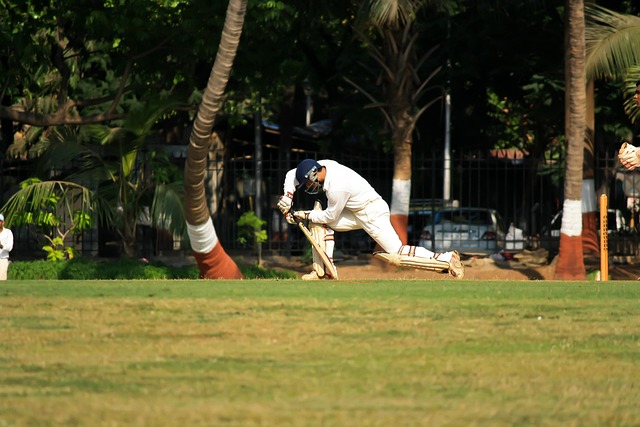
A no-ball is a crucial decision in cricket, significantly impacting the course of a match. This declaration occurs when a bowler delivers a ball that fails to pass through the wickets, usually due to an illegal action or distraction. The consequences are far-reaching, requiring teams and players to swiftly adjust their strategies. Fan sentiment analysis in cricket often reveals heightened excitement during such moments, as they introduce unpredictability into the game.
The primary effect is on the bowling team’s strategy. Once a no-ball is called, the bowler is penalized, and the batting team gains an advantage. This typically results in a free hit for the batters, allowing them to take calculated risks or accumulate quick runs. Fielding positions and roles become even more critical as teams scramble to make up for the loss of a legal delivery. For instance, if a fast bowler delivers a no-ball, the fielding side might need to temporarily adjust their positioning, focusing on containing the damage rather than launching aggressive field restrictions.
Cricket trading strategies can also be influenced by no-balls. Traders and analysts often study such incidents to predict potential swing in the match’s momentum. For instance, a string of no-balls by a leading bowler could indicate fatigue or overstepping issues, signaling a shift in the team’s performance. Teams that embrace these moments as opportunities, adapting swiftly through tactical changes in fielding and batting, often find themselves with an edge. Discover us at cricket sponsorship value proposition for insights into how top brands navigate these strategic shifts to enhance fan engagement and match dynamics.
In cricket, understanding when a no-ball is declared is vital for both players and umpires. Key insights reveal that a no-ball occurs when a bowler delivers the ball in a manner that infringes specific rules, such as failing to pitch the ball correctly or taking steps during their delivery action. Player actions, like adjusting their stance or using illegal methods, trigger this declaration. Umpires, equipped with detailed criteria, make these decisions instantaneously to maintain game integrity. The consequences of a no-ball include penalty runs and potential overthrows, influencing team strategies. By grasping these fundamentals, cricket enthusiasts can appreciate the intricacies of the game and strategize more effectively, ensuring they’re always in tune with the dynamic rules that shape matches.
About the Author